
Outdoor spaces are increasingly important in residential, hospitality, and commercial environments, creating demand for practical solutions that improve comfort and usability. When evaluating Outdoor Shade Products, buyers should consider more than the ability to block direct sunlight. Product design, structural stability, fabric performance, operating convenience, and compatibility with different outdoor layouts all influence long-term value. A suitable shading solution can help transform an exposed patio, garden, poolside area, or restaurant terrace into a more comfortable place for everyday activities and customer experiences.
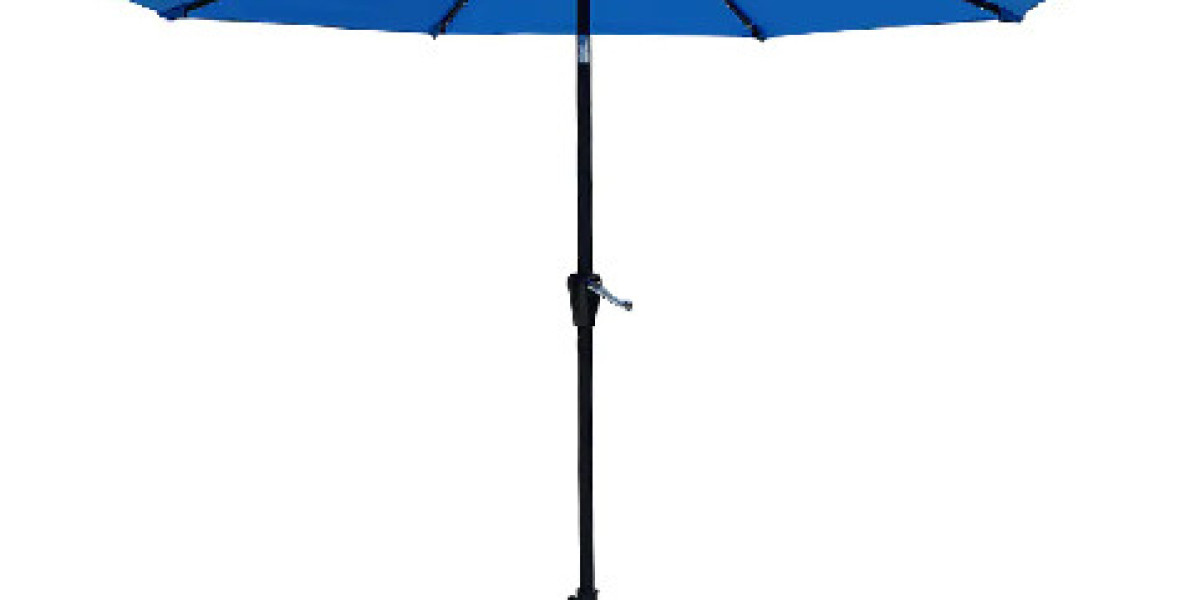
Outdoor shading products cover several categories, including traditional garden umbrellas, center-pole parasols, cantilever umbrellas, patio umbrellas, and larger shelter structures. Each category serves different installation requirements and usage patterns. A conventional umbrella generally uses a central supporting pole, making it suitable for placement through a compatible table or within a dedicated base. Cantilever designs position the supporting structure to one side, allowing the shaded area beneath the canopy to remain more open. Larger umbrella structures may provide coverage for outdoor dining areas or commercial seating arrangements where broader shade distribution is required.
The canopy is one of the most important components because it directly affects sun protection, appearance, and product durability. Outdoor fabrics are selected according to factors such as sunlight exposure, moisture resistance, color stability, and maintenance requirements. Polyester is commonly used in outdoor umbrella manufacturing because it offers a practical balance of weight, flexibility, and cost. Other fabric options may be considered according to the intended market and product specification. Buyers should examine fabric density, surface treatment, stitching quality, and color consistency rather than judging material suitability by appearance alone.
The supporting frame also has a major influence on overall performance. Frame materials may include steel, aluminum, and other structural materials depending on the product design. Steel components can provide a solid supporting structure, while aluminum is often selected when reduced weight and corrosion resistance are important considerations. The appropriate choice depends on the umbrella's dimensions, construction, intended environment, and required handling characteristics. Joint connections, ribs, pole sections, and opening mechanisms should be examined as a complete structural system.
Different operating systems provide different levels of convenience. Push-open umbrellas use a straightforward manual mechanism that allows users to raise and position the canopy without complicated controls. Crank systems use a handle to open and close the umbrella, while tilt mechanisms allow the canopy angle to be adjusted in response to changing sunlight. These features can influence purchasing decisions, particularly in hospitality settings where staff and customers need simple, reliable operation throughout the day.
Residential applications include gardens, balconies, patios, swimming pool surroundings, and outdoor dining spaces. Homeowners often prioritize appearance, manageable dimensions, easy operation, and compatibility with existing furniture. A compact umbrella may be appropriate for a small balcony, while a larger canopy can provide more practical coverage for a family dining table. Color selection also matters because the canopy should complement outdoor furniture, architectural finishes, and landscaping.
Commercial applications have additional requirements. Restaurants, cafes, hotels, resorts, and leisure facilities often use umbrellas to improve the usability of outdoor seating areas. These businesses may need multiple units with consistent colors, dimensions, and operating systems. Purchasing decisions should consider daily usage frequency, staff handling, replacement components, storage arrangements, and the overall maintenance workload. For hospitality operators, product consistency can also contribute to a coordinated outdoor presentation.
Weather conditions must be considered before selecting a shading structure. Sun exposure, humidity, rainfall, and wind can affect materials differently. A canopy designed for ordinary garden use should not automatically be treated as a permanent shelter or severe-weather structure. Users should follow the manufacturer's operating guidance, close umbrellas when conditions become unsuitable, and secure the base according to the product's requirements. Proper storage during extended periods of non-use can also help protect fabric and structural components.
Importers and distributors should evaluate several purchasing factors before placing an order. These include product dimensions, canopy shape, frame construction, fabric specifications, packaging, assembly requirements, and the availability of replacement parts. Buyers should also confirm whether the product is supplied with a base, whether assembly is required, and which components are included in the standard package. Clear specifications help reduce misunderstandings between manufacturers, importers, and end customers.
For wholesale purchasing, consistency between samples and bulk production is particularly important. Buyers should review the opening mechanism, canopy alignment, stitching, frame connections, surface finishing, and packaging condition during product evaluation. When developing a product range, it is useful to compare different canopy sizes, colors, and structural designs according to the needs of the intended sales channel. Retail distributors may prioritize compact packaging and broad consumer appeal, while project buyers may focus on coordinated product specifications and suitability for repeated commercial use.
Maintenance should also be considered as part of product selection. Regularly removing dust and surface dirt helps maintain the canopy's appearance, while allowing fabric to dry before storage can reduce moisture-related problems. Moving parts should be checked periodically for wear, loose connections, or operating difficulties. Users should avoid forcing an umbrella mechanism when it encounters resistance, since improper handling may damage the frame or opening system.
As outdoor living continues to influence residential design and hospitality planning, demand for adaptable shading solutions remains relevant across different markets. Buyers looking for suitable umbrella styles can compare canopy structures, operating mechanisms, materials, and intended applications through the product range at https://www.parasol-ht.com/product/outdoor-push-umbrella/