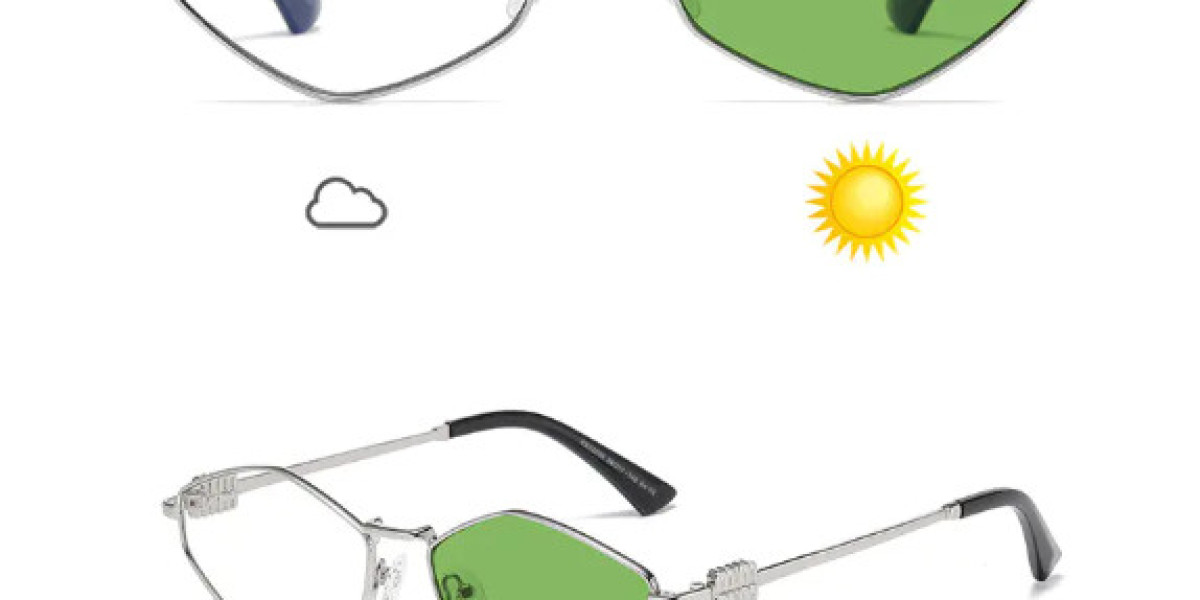

The global eyewear market includes a wide range of optical products designed to meet different functional, aesthetic, and commercial requirements. For brands, wholesalers, and optical retailers, selecting a suitable Eyeglass Frame Manufacturer is an important step in developing a competitive product collection. A reliable sourcing relationship involves more than obtaining finished frames. It also requires attention to material selection, design development, manufacturing consistency, component assembly, and product inspection. Understanding these factors allows international buyers to evaluate suppliers more effectively and select products that match their target customers and market positioning.
An eyeglass frame is designed to support prescription lenses while providing a comfortable and stable structure for everyday wear. Its main components generally include the front section, lens rims, bridge, hinges, temples, and temple tips. Some designs also incorporate adjustable nose pads, decorative elements, or additional structural details. Each component contributes to the overall construction. The proportions of the front section influence the visual appearance, while bridge dimensions and temple length affect how the frame fits different wearers. These design elements should be considered together rather than evaluated individually.
Material selection is one of the most important decisions during frame development. Common materials include plastic, acetate, and metal, with different options offering different processing characteristics and visual effects. Plastic frames are widely used because they support a broad variety of shapes, colors, and surface finishes. Acetate is often selected for its distinctive patterns, color depth, and design flexibility. Metal frames can provide slim profiles and refined styling, making them suitable for customers who prefer understated eyewear. Mixed-material designs offer further possibilities for combining different appearances and structural features.
Product development usually begins with a design concept, technical drawing, reference photograph, or physical sample. Buyers may already have an established design or may be exploring new styles for a particular customer group. The proposed construction needs to be evaluated for material suitability, dimensions, component arrangement, and manufacturing feasibility. Sample development provides an opportunity to examine the frame before larger production quantities are considered. During this stage, buyers can review proportions, colors, surface finishing, hinge placement, and general wearing characteristics.
Manufacturing processes vary according to the materials and construction methods used. Plastic frames may involve molding, trimming, shaping, drilling, polishing, and assembly. Acetate products generally require material cutting, edge processing, shaping, and surface polishing. Metal frames may involve forming, joining, soldering or welding where appropriate, polishing, and surface treatments. Each process requires suitable production controls to maintain the intended shape and appearance. The manufacturing sequence also needs to account for the different requirements of front sections, temples, hinges, and other small components.
Precision is especially important when multiple components must fit together. The front section needs to maintain appropriate symmetry, while the hinges should be positioned consistently to support balanced temple movement. Screws, nose pads, and decorative components must be installed correctly according to the product design. Uneven assembly can affect both appearance and usability. For optical products, dimensional consistency is also relevant because the frame must accommodate the intended lens shape and fitting requirements.
Surface finishing contributes significantly to the perceived quality of an optical frame. Polishing, coating, plating, and other finishing operations may be used depending on the selected material. Buyers often evaluate the smoothness of edges, uniformity of color, consistency of decorative details, and absence of visible processing marks. These characteristics are particularly important for fashion-oriented collections, where consumers may pay close attention to the appearance of small details. An approved sample can provide a useful reference for checking consistency during subsequent orders.
Quality inspection should cover both visual and functional characteristics. Visual checks may identify scratches, uneven surfaces, color differences, or finishing defects. Functional inspections can examine hinge movement, temple alignment, frame symmetry, and the stability of assembled components. Buyers may also check dimensions against approved specifications and examine whether the frame construction is appropriate for the intended lens application. Establishing inspection criteria before production helps both parties understand the expected product standard and reduces uncertainty during order fulfillment.
Different commercial customers require different frame collections. Optical retailers may prioritize practical styles suitable for everyday prescription use, while fashion brands may focus on distinctive shapes, colors, and decorative details. Distributors often need a balanced selection covering different consumer preferences and price categories. Private-label businesses may require customized logos, colors, or packaging to support their brand identity. These requirements should be discussed early because they can influence material selection, sample development, production arrangements, and final costs.
For overseas buyers, communication and order management are also important parts of supplier evaluation. Product drawings, approved samples, written specifications, and clear packaging instructions help maintain consistency throughout the purchasing process. Buyers should confirm minimum order quantities, available colors, sample arrangements, production schedules, payment conditions, and shipping responsibilities. If a design is changed after sample approval, the updated requirements should be documented to avoid differences between the approved product and the finished shipment.
Long-term sourcing decisions should consider the complete purchasing value rather than focusing exclusively on the unit price. Material suitability, product appearance, assembly consistency, communication efficiency, and delivery arrangements all influence the commercial performance of an eyewear collection. Buyers should examine samples under practical conditions and consider whether the proposed products match their intended customer groups. It is also useful to establish how repeat orders will be handled and whether the same design and material specifications can be maintained across different production batches.
As consumer preferences continue to evolve, eyewear businesses need collections that combine practical construction with relevant styling. Classic shapes provide continuity, while contemporary designs allow retailers to respond to changing fashion preferences. A capable Eyeglass Frame Manufacturer should understand the importance of product consistency and clear communication when supporting these different commercial requirements. International buyers interested in exploring optical products and potential sourcing options can visit Zhejiang Zhansheng Glasses Co., Ltd. (KAIZI) at https://www.kaiziglasses.com/product/blue-light-glasses/ to review available eyewear collections and identify suitable products for their markets.