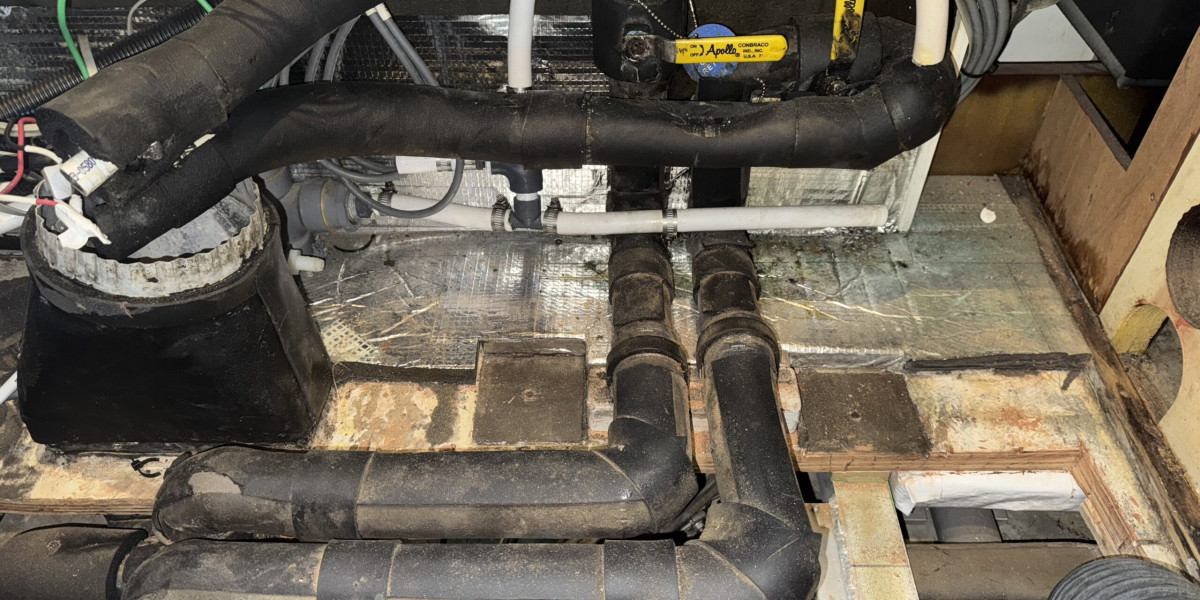

Understanding Acoustic Control in Maritime Environments
Marine Noise Insulation has become an essential engineering consideration across modern maritime structures where machinery vibration, propulsion systems, and operational activity create challenging acoustic conditions. Cargo ships, passenger ferries, and offshore platforms require specialized approaches to minimize intrusive sound transmission while maintaining structural integrity.
Unlike conventional buildings, marine environments involve fluctuating temperatures, constant movement, humidity exposure, and intense mechanical activity. These conditions demand sophisticated materials and installation techniques that can withstand harsh surroundings. Effective acoustic management supports crew comfort, operational efficiency, communication clarity, and regulatory compliance.
Marine soundproofing solutions are designed to address airborne noise, impact vibrations, and equipment-generated disturbances. By integrating advanced acoustic barriers and resilient materials, marine operators can create quieter working zones without compromising vessel performance or offshore productivity.
Acoustic Challenges Faced by Cargo Ships
Cargo vessels experience continuous exposure to powerful noise sources generated by engines, generators, propeller systems, ventilation units, and cargo handling equipment. These sound emissions can travel through steel structures, creating discomfort in cabins, control rooms, and operational areas.
Engine Room Noise Management
The engine compartment is usually the loudest section of a commercial vessel. Large propulsion machinery produces low-frequency vibrations that can travel across bulkheads and decks. Marine Noise Insulation systems in these areas typically combine vibration dampening layers, acoustic panels, and specialized composite materials.
The objective is not simply to block sound but to interrupt transmission pathways. Engineers analyze structural connections, machinery mounting points, and resonance zones before selecting suitable insulation configurations. This approach reduces acoustic leakage and limits fatigue caused by prolonged exposure to excessive noise.
Improving Crew Living Conditions
Crew members spend extended periods onboard, making acoustic comfort an important aspect of maritime wellbeing. Sleeping quarters, recreation spaces, and dining facilities benefit from carefully designed insulation assemblies that reduce mechanical disturbances.
Modern marine soundproofing applications often incorporate lightweight materials that provide high acoustic performance without adding unnecessary weight. This balance is particularly important for cargo ships where fuel efficiency and payload capacity remain critical priorities.
Noise Reduction Strategies for Passenger Ferries
Passenger ferries require a different acoustic approach because they combine powerful propulsion systems with public accommodation areas. Travelers expect a comfortable environment free from excessive engine rumbling, vibration, and external maritime sounds.
Passenger Area Acoustic Enhancement
Ferry operators frequently implement layered acoustic designs within seating areas, lounges, and cabins. These systems may include sound-absorbing surfaces, floating floor structures, and insulated wall assemblies.
Marine Noise Insulation helps create a refined passenger experience by reducing disruptive frequencies from propulsion machinery and wave impact. A quieter environment improves customer satisfaction and allows onboard announcements, conversations, and emergency communications to remain understandable.
Balancing Performance and Aesthetics
Ferry interiors require acoustic materials that blend with decorative finishes. Designers must consider appearance, durability, fire resistance, and maintenance requirements when selecting insulation products.
Advanced marine soundproofing techniques allow manufacturers to integrate acoustic features behind panels, ceilings, and flooring systems while preserving attractive interior designs. This hidden approach provides effective noise control without affecting the visual character of passenger spaces.
Acoustic Protection for Offshore Platforms
Offshore platforms represent some of the most demanding locations for noise management. Workers operate near drilling equipment, compressors, turbines, and heavy industrial machinery that generate persistent sound pressure levels.
Industrial Noise Containment
Offshore facilities require carefully engineered acoustic zones to protect personnel and maintain communication between teams. Equipment enclosures, vibration isolation systems, and specialized barriers are commonly used to control industrial noise.
Marine Noise Insulation strategies for offshore platforms focus on reducing exposure in accommodation modules, control centers, and maintenance areas. These systems contribute to safer working conditions by limiting long-term acoustic stress.
Materials Designed for Harsh Conditions
Offshore insulation materials must withstand saltwater exposure, extreme weather, and mechanical strain. Engineers often select corrosion-resistant composites, fire-rated acoustic layers, and moisture-resistant components.
Durability is a defining factor in marine soundproofing because replacement and repair operations offshore can be complex and expensive. High-performance solutions are developed to maintain effectiveness throughout extended operational periods.
Engineering Considerations for Effective Marine Acoustic Systems
Successful acoustic treatment requires detailed planning before installation. Naval architects, acoustic specialists, and marine engineers evaluate vessel layout, machinery placement, and structural behavior to create efficient solutions.
Vibration Isolation and Structural Analysis
Many marine noise issues originate from vibration rather than direct sound generation. Machinery movement transfers energy through metal frameworks, creating secondary noise throughout the structure.
Isolation mounts, resilient connectors, and damping compounds help reduce this energy transfer. These techniques improve overall acoustic performance while protecting equipment and structural components from unnecessary stress.
Fire Safety and Regulatory Requirements
Marine insulation systems must comply with strict maritime safety standards. Materials used in vessels and offshore facilities need suitable fire resistance, durability, and environmental performance.
Properly engineered Marine Noise Insulation solutions support safety objectives while enhancing operational comfort. Compliance with international maritime regulations ensures that acoustic improvements align with broader vessel protection requirements.
Future Developments in Maritime Acoustic Technology
The maritime industry continues to explore innovative methods for reducing operational noise. Lightweight composites, intelligent monitoring systems, and advanced vibration-control technologies are transforming acoustic engineering practices.
Future vessels may incorporate automated noise analysis tools that identify problematic frequencies and recommend targeted improvements. These developments will allow operators to maintain quieter environments while improving energy efficiency and long-term reliability.
As offshore operations and commercial shipping continue expanding, demand for specialized acoustic solutions will increase. Marine soundproofing will remain a significant component of vessel design, supporting safer workplaces, enhanced passenger experiences, and more sustainable maritime operations.
Conclusion
Effective acoustic management is no longer an optional feature in modern maritime construction. Cargo ships, ferries, and offshore platforms require carefully planned systems that address complex noise challenges created by machinery, vibration, and environmental conditions. Advanced Marine Noise Insulation approaches provide practical solutions that improve comfort, safety, and operational performance across diverse marine applications.