

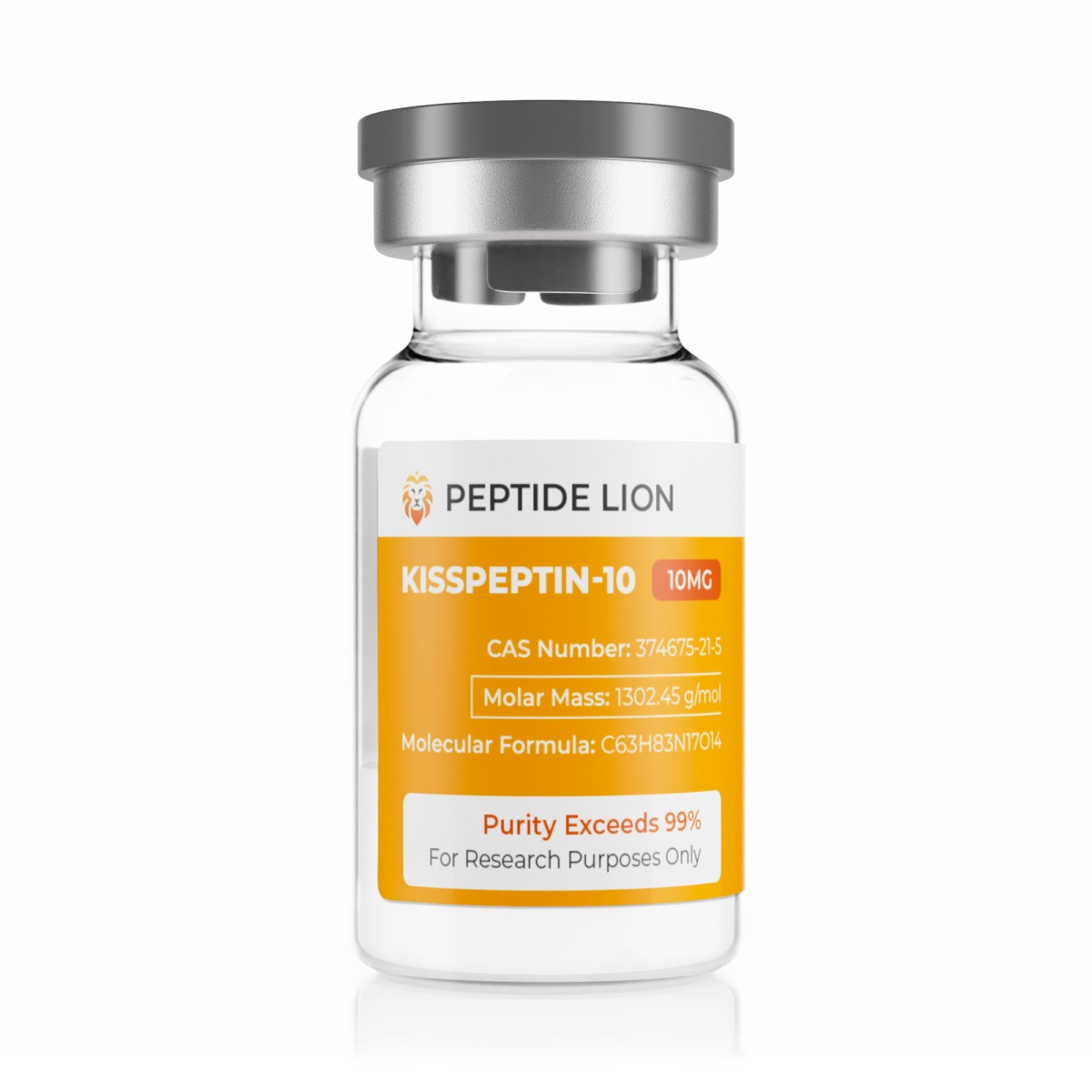
Peptides are quick chains of amino acids linked by peptide bonds, they usually play important roles in varied biological processes. Pure peptides, outlined as peptides which can be free from contaminants and impurities, have garnered vital attention in analysis and therapeutic purposes. This study report delves into the construction, operate, synthesis, purification, and functions of pure peptides, highlighting their significance within the fields of biochemistry, pharmacology, and biotechnology.
Construction of Pure Peptides
Peptides are composed of two to 50 amino acids, and their construction might be categorized into four levels: main, secondary, tertiary, and quaternary. The primary structure refers back to the linear sequence of amino acids, whereas the secondary construction includes local folding patterns comparable to alpha-helices and beta-sheets formed by hydrogen bonds. The tertiary structure represents the general three-dimensional shape of a single peptide molecule, stabilized by numerous interactions, together with hydrophobic interactions, ionic bonds, and disulfide bridges. Quaternary construction, relevant to peptides that form complexes with other peptides or proteins, involves the association of a number of polypeptide chains.

The unique sequence of amino acids in a pure peptide determines its specific biological exercise and function. For instance, the presence of certain amino acids can influence the peptide's stability, solubility, and binding affinity to receptors or enzymes. Understanding the construction of pure peptides is crucial for designing and optimizing their use in therapeutic functions.
Synthesis of Pure Peptides
The synthesis of pure peptides may be achieved by way of numerous methods, together with stable-part peptide synthesis (SPPS), liquid-phase peptide synthesis, and recombinant DNA expertise. SPPS, developed by Robert Bruce Merrifield within the 1960s, has change into the most widely used technique for producing pure peptides. This methodology entails the sequential addition of protected amino acids to a growing peptide chain anchored to a strong resin. After the desired peptide sequence is assembled, the protecting teams are eliminated, and the peptide is cleaved from the resin, resulting in a crude product.
Purification of the crude peptide is essential to obtain pure peptides. If you beloved this write-up and you would like to get much more facts pertaining to Truthtube kindly check out our internet site. Widespread purification techniques embrace excessive-efficiency liquid chromatography (HPLC) and mass spectrometry. HPLC separates peptides primarily based on their dimension, charge, and hydrophobicity, while mass spectrometry offers data in regards to the molecular weight and composition of the peptide. The combination of these methods permits researchers to isolate pure peptides with excessive yield and purity.
Perform of Pure Peptides
Pure peptides exhibit a variety of biological functions, including performing as hormones, neurotransmitters, and signaling molecules. For example, insulin, a peptide hormone, regulates glucose metabolism in the physique, while oxytocin, another peptide, is concerned in social bonding and reproductive behaviors. Additionally, pure peptides can function antimicrobial brokers, immunomodulators, and enzyme inhibitors.
The interplay between pure peptides and their target receptors is a key side of their function. Particular amino acid sequences and structural conformations enable peptides to bind selectively to receptors, triggering biological responses. This specificity is crucial for the development of peptide-based therapeutics, because it minimizes off-goal effects and enhances therapeutic efficacy.
Purposes of Pure Peptides
The applications of pure peptides span various fields, including medicine, agriculture, and cosmetics. In medicine, pure peptides are more and more being explored as potential therapeutic agents for treating numerous diseases, including cancer, diabetes, and cardiovascular disorders. Peptide-based medication, equivalent to GLP-1 analogs for diabetes administration and peptide vaccines for cancer immunotherapy, have proven promise in clinical trials.
In agriculture, pure peptides are being investigated for their potential to enhance plant progress and resistance to pests and diseases. Peptide-primarily based biopesticides and growth-selling peptides can provide sustainable alternate options to traditional chemical pesticides and fertilizers.
The beauty trade also utilizes pure peptides for their skin-rejuvenating properties. Peptides are included into skincare merchandise to promote collagen synthesis, enhance skin elasticity, and cut back the looks of wrinkles. These functions spotlight the versatility of pure peptides and their potential to deal with varied challenges throughout different sectors.
Challenges and Future Instructions
Despite the promising applications of pure peptides, a number of challenges remain in their growth and use. One main challenge is the stability of peptides, as they can be susceptible to degradation by enzymes and environmental factors. Researchers are exploring varied strategies to enhance peptide stability, resembling incorporating non-pure amino acids or utilizing peptide mimetics.
Another challenge is the cost of peptide synthesis and purification, which may limit the availability of pure peptides for analysis and therapeutic use. Advances in synthesis methods and automation could assist scale back costs and enhance accessibility.
Looking ahead, the future of pure peptides is shiny, with ongoing analysis targeted on discovering new peptides with novel functions and optimizing existing peptides for therapeutic purposes. The mixing of computational modeling and machine studying in peptide design holds nice promise for accelerating the discovery of potent and selective peptide-based medication.
Conclusion
In conclusion, pure peptides are essential biomolecules with diverse structures and functions that play important roles in biological processes. Their synthesis, purification, and application in varied fields highlight their significance in advancing scientific information and creating revolutionary solutions to well being and environmental challenges. Continued research on this space is more likely to yield new insights and applications, solidifying the position of pure peptides as beneficial instruments in fashionable science and medicine.





