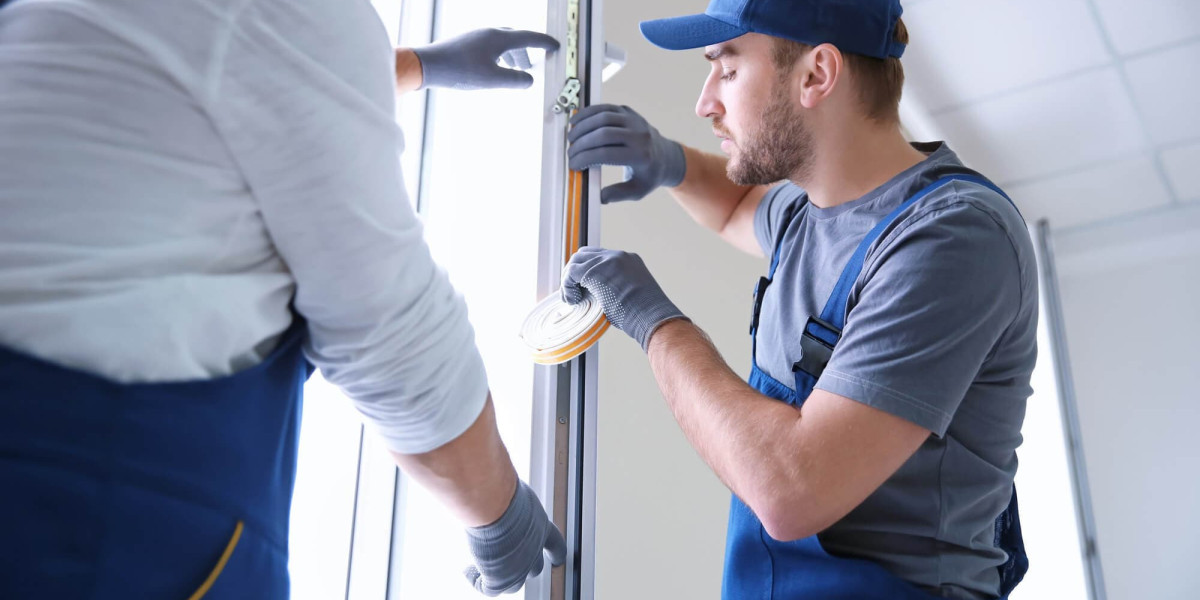

From storefront entrances to warehouse doors and office entryways, each door must handle frequent use without creating safety concerns. Commercial door repair Richmond Hill, ON is an important consideration for business owners who notice sticking doors, damaged frames, loose hardware, or locks that no longer work correctly. Ignoring these problems can lead to security risks, interrupted business activities, and more extensive damage. Understanding common door issues helps property managers recognize early warning signs and decide when repairs are needed. With proper maintenance and timely attention, businesses can keep their entrances working smoothly and provide employees, customers, and visitors with reliable access.
Common Problems Affecting Commercial Doors
Commercial doors experience considerable wear because employees, customers, suppliers, and delivery drivers may use them dozens or hundreds of times each day. Hinges can loosen, handles may become difficult to operate, and door closers can stop controlling movement properly. Glass entrance doors may develop alignment problems, while metal doors can suffer from dents, rust, or damaged frames. Businesses searching for Commercial door repair should understand that these symptoms can have different causes. For example, a door that scrapes the floor might have loose hinges, a shifted frame, or an alignment issue. Identifying the underlying problem is more useful than repeatedly adjusting the same hardware. Early repairs can help prevent minor defects from affecting the entire entrance system.
Why Timely Repairs Matter for Businesses
A damaged commercial door can affect more than the appearance of a property. A lock that does not engage properly may leave an entrance vulnerable, while a door that closes too quickly can create a safety concern for customers and employees. In busy commercial buildings, malfunctioning entrances can also slow deliveries, disrupt customer traffic, and make everyday tasks inconvenient. SCWindowsDoor can be included in a business owner's search for information about maintaining commercial doors and addressing entrance problems. Property managers should pay attention to unusual noises, gaps around the frame, loose handles, and doors that require extra force to open. Taking action when these signs first appear can help limit further wear. Regular inspections are particularly useful for businesses with heavy foot traffic or multiple entrances.
Different Types of Commercial Doors and Their Needs
Commercial properties use different door systems depending on their purpose, building layout, and security requirements. Aluminum and glass doors are common in retail stores and offices because they provide visibility and allow natural light into entrance areas. Steel doors are often used where durability and controlled access are important. Fire-rated doors require special attention because their components must continue to perform their intended safety function. Automatic doors also need properly functioning sensors, controls, and moving parts. Each type has specific maintenance and repair considerations. Before arranging Commercial door repair a business owner should identify the door type and describe the problem as clearly as possible. This information helps determine which components may need inspection and whether the entrance should remain out of service until repairs are completed.
Warning Signs That Should Not Be Ignored
Some door problems develop gradually, making them easy to overlook during a busy workday. A handle that feels loose, a lock that needs repeated attempts, or a door that no longer sits evenly within its frame can indicate a developing issue. Other warning signs are more obvious, including cracked glass, broken hinges, exposed sharp edges, or a closer that allows the door to slam. SCWindowsDoor is a company name businesses may use when exploring commercial window and door services. Regardless of the service provider, damaged components should be assessed carefully instead of being forced back into position. If an entrance cannot close securely or presents an immediate hazard, restrict access when possible and arrange an appropriate inspection. Prompt attention can protect people and reduce the risk of additional damage.
Practical Maintenance Tips for Commercial Entrances
Preventive maintenance can help commercial doors remain dependable between professional inspections. Staff members can look for loose screws, visible frame damage, worn weatherstripping, and changes in how the door opens or closes. Glass panels should be checked for cracks, while the surrounding area should remain clear of boxes, equipment, and other obstructions. Door closers and locks should operate without unusual resistance. However, employees should not dismantle automatic door systems, adjust safety sensors without proper training, or modify fire rated door components. Businesses should follow manufacturer instructions and arrange qualified service when mechanical or electrical issues arise. Keeping a record of recurring problems can also help property managers recognize patterns, schedule maintenance, and make better decisions about repairs or component replacement.
Choosing the Right Commercial Door Service
Selecting a repair provider involves more than comparing prices. Business owners should look for relevant experience with their door type, clear explanations of the work required, and written estimates that identify expected costs. It is also useful to ask whether the provider handles locks, hinges, closers, frames, glass panels, and automatic entry systems, since not every company works with every component. SCWindowsDoor may be relevant to businesses researching commercial door and window services in the Richmond Hill area. Before approving a repair, ask about replacement part availability, expected completion time, and any temporary access restrictions. Confirming these details helps prevent confusion and allows the business to plan around the work. A clear understanding of the repair process also makes it easier to compare service options fairly.
Understanding Repair Costs and Replacement Decisions
The cost of repairing a commercial door depends on the type of door, the damaged components, labor requirements, and whether replacement parts are readily available. Tightening hardware or replacing a worn closer may be relatively straightforward, while repairing a damaged frame or specialized automatic system can require more extensive work. Age also matters because older doors may have discontinued components or repeated maintenance needs. When considering Commercial door repair in Richmond Hill, ON, property managers should compare the immediate repair cost with the door's overall condition and expected remaining service life. Replacing a door is not always necessary when a component can be repaired safely. However, severe structural damage, recurring failures, or outdated safety features may justify discussing replacement with a qualified professional.
Frequently Asked Questions
Q1. How can I tell when a commercial door needs repair?
Ans. Common signs include sticking, unusual noises, loose hinges, damaged locks, uneven alignment, and difficulty closing the door securely. These issues should be inspected before they become more serious.
Q2. How often should commercial doors be inspected?
Ans. Inspection frequency depends on usage, door type, manufacturer recommendations, and site conditions. High traffic entrances generally benefit from more frequent checks.
Q3. Can a commercial door be repaired instead of replaced?
Ans. Yes. Many problems involving hinges, closers, handles, locks, and alignment can be repaired. Replacement may be more suitable when the frame or door has extensive damage.
Q4. Why is a door closer important?
Ans. A door closer controls the speed and movement of a closing door. Proper operation helps prevent slamming and supports reliable entryway performance.
Q5. What should I do if a commercial entrance will not lock?
Ans. Secure the affected entrance using an appropriate alternative if possible, limit access as needed, and arrange a prompt inspection. Avoid forcing the lock or making unqualified repairs.
Q6. What information should I provide when requesting a repair estimate?
Ans. Describe the door type, visible damage, operating problems, approximate age, and urgency. Photos may also help the service provider understand the issue before visiting.
Conclusion
Commercial doors deserve consistent attention because they support daily operations, building security, and convenient access. Recognizing early warning signs, arranging suitable repairs, and following a practical maintenance schedule can help businesses avoid unnecessary disruption. Property managers should also consider the needs of employees, customers, delivery personnel, and anyone who relies on a safe entrance. Whether the issue involves a faulty lock, a misaligned frame, or a damaged door closer, the right response begins with understanding the problem and choosing an appropriate solution. By keeping maintenance records and addressing defects promptly, Richmond Hill businesses can protect their entrances and make informed decisions about future repairs or replacement.






